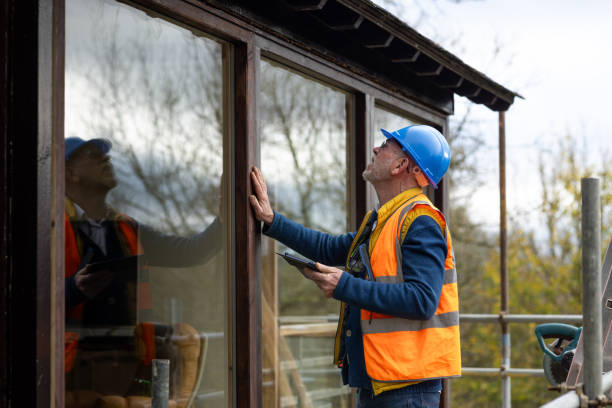
The European construction sector shows clear signs of recovery in 2026. Economists predict that production will increase by approximately 1.5 %, reversing the sluggish performance experienced in 2024–25. After a period of declining construction volumes, confidence is returning, driven by government policy support and renewed project activity across EU member states.
Policy Support Fuels Growth
EU governments and national authorities are implementing measures to stimulate construction activity. These include financial incentives, streamlined permits, and investment in infrastructure projects. As a result, developers and builders gain greater confidence to start new projects. Policy support encourages both residential and commercial construction, creating a foundation for steady sector growth throughout the year.
Renovation and Housing Demand Rise
The sector’s recovery directly benefits home renovation markets. Homeowners now invest more in interior and exterior upgrades, including kitchen and bathroom remodeling, energy efficiency retrofits, and façade improvements. Renovation demand also expands opportunities for suppliers of construction materials, fixtures, and home technology products. In turn, these upgrades improve housing quality, property values, and energy performance across European homes.
Job Creation and Skilled Trades
A growing construction market stimulates job creation in skilled trades. Carpenters, electricians, plumbers, masons, and project managers see increased demand for their expertise. Training programs and vocational initiatives support workforce development, ensuring that the construction sector meets its growing labor needs. This employment growth strengthens local economies and helps reduce regional skill shortages.
Regional Differences Across Europe
Despite the overall recovery, some markets face persistent challenges. Countries like France still experience contraction pressures in certain construction segments. Meanwhile, Germany, Spain, and the Netherlands lead the recovery, driven by housing demand, urban development, and infrastructure expansion. Builders and investors must adapt strategies to account for these regional variations while capitalizing on growth opportunities where demand is highest.
Future Outlook
Industry experts expect steady growth in European construction over the next few years. Increased urbanization, energy efficiency requirements, and climate-resilient building standards drive both new construction and renovations. Moreover, green building initiatives and digital construction technologies enhance project efficiency, reduce costs, and promote sustainability. These trends indicate that European construction will continue to expand while modernizing practices for long-term resilience.
Conclusion: Construction Recovery Benefits the Entire Ecosystem
In conclusion, the European construction sector’s recovery in 2026 represents a vital boost for the housing and home improvement industries. Policy support and renewed project activity drive growth, while rising renovation demand creates opportunities for suppliers and skilled trades. Despite regional variations, the overall trajectory remains positive. By investing in new builds and home upgrades, Europe strengthens its construction ecosystem, supports employment, and improves housing quality for millions of residents.