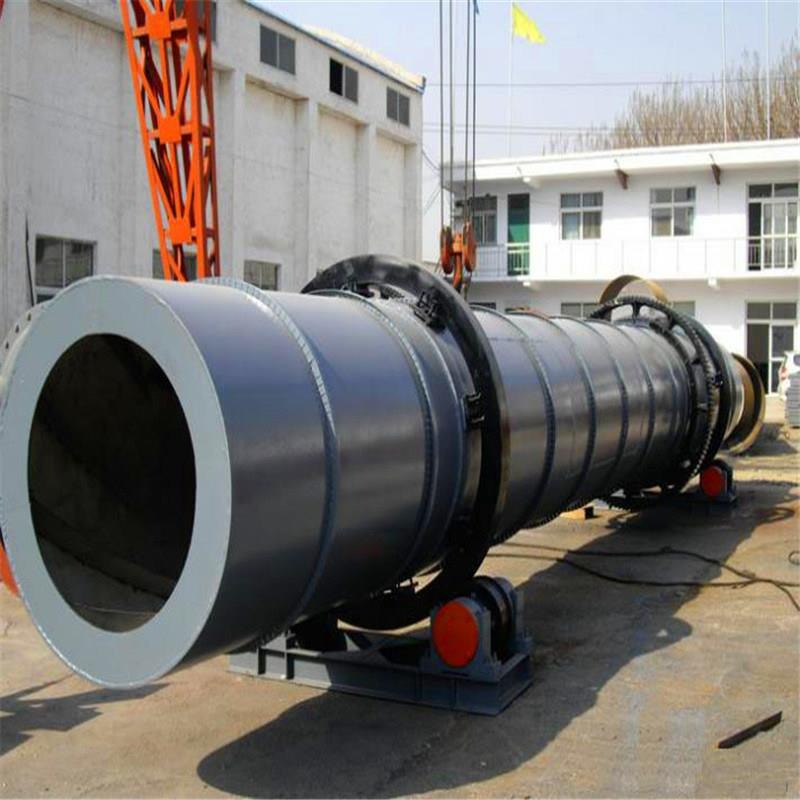
When I first stumbled into the world of industrial machinery, I had no idea that something as seemingly boring as a kiln seal Germany engineering could be such a big deal. I mean, think about it, a seal? Like, isn’t that just a rubber thing that stops leaks? Turns out, it’s way more than that. In the crazy hot environment of a kiln, the wrong seal can literally burn your profits, waste tons of energy, and make your engineers swear in ways HR would not approve. And honestly, most people outside the industrial world would probably just nod and pretend they get it, but trust me, this little piece of engineering magic is like the silent workhorse that keeps everything running smoothly.
Now, I know what you’re thinking — Germany and engineering are practically a meme at this point, right? But there’s a reason why when you talk about precision and durability in something like a kiln seal, Germany keeps popping up. It’s not just marketing. These engineers obsess over tolerances like my grandma obsesses over her garden, checking every single leaf. And in the kiln world, where temperatures can rival the surface of the sun, you need that obsessive attention to detail. One miscalculation, one tiny gap, and suddenly your expensive materials are going up in smoke — literally.
One thing I found fascinating — and honestly kind of funny — is how much online chatter there is about these seals. Most people are sharing memes about engineers and their love for precision, but if you dig deeper, there’s this whole niche community debating stuff like material hardness, expansion rates, and how different seals handle thermal shock. It’s wild to think that while I’m scrolling TikTok for dance trends, somewhere else someone is arguing whether a kiln seal from one manufacturer is better than another by comparing microscopic grooves in the rubber. Industrial nerd heaven, honestly.
I remember a visit to a plant where I saw the effect of a poor kiln seal firsthand. The operators were constantly chasing leaks, patches, and temporary fixes. Energy bills were insane, productivity was low, and morale? Let’s just say, if the kilns could talk, they’d probably scream. It was a mess. Then the company switched to a properly engineered seal — you know, the kind that German engineers would nod at in approval — and it was like night and day. Less smoke, less downtime, and the engineers had time to complain about more interesting things. It’s funny how one small component can make such a huge difference. Sometimes, I think about it like a bad zipper on your jacket. One small defect, and suddenly your whole day is uncomfortable, everyone notices, and you can’t ignore it. But when it works, nobody thinks about it — exactly like a kiln seal.
The science behind these seals is kinda crazy. They’re not just sitting there holding stuff in place. They deal with insane temperatures, chemical exposure, mechanical wear, and sometimes even vibrations that could rival a small earthquake. And they do it quietly, reliably, without asking for a thank you. It’s like that friend who always drives you to the airport at 4 AM without complaining — you take them for granted until one day they don’t show up. Then panic sets in. Engineers totally get this, which is why a lot of plants are willing to spend extra for high-quality seals, because saving a few bucks on a cheap one usually costs way more in the long run. Energy loss, material wastage, downtime — it stacks up faster than my laundry pile at home.
Another fun fact I read somewhere is that the demand for precision-engineered kiln seals has been steadily increasing in the past decade, especially in Europe and Asia. People are realizing that small inefficiencies at the micro level can cause massive losses on the macro scale. Imagine a tiny leak in a gas kiln — it’s like leaving your tap running while on a two-week vacation. You come back, and suddenly your water bill is horrifying, your house is flooded, and you’re crying over spilled cereal. Yeah, the analogy’s a bit dramatic, but you get the point.
And let’s be honest, the online sentiment around these seals is mostly positive. Engineers share their success stories, maintenance teams brag about reduced downtime, and even procurement officers occasionally post a celebratory “we saved energy!” screenshot. It’s one of those rare industrial topics that doesn’t just get a shrug. There’s a weird sense of pride and almost fandom. Who knew something as niche as kiln seals could have its own tiny cult following online?
Personally, I’ve come to respect these things more than I expected. You might not see them in everyday conversation or Instagram reels, but in the world of high-temperature industrial processes, they’re basically VIPs. And let’s not forget, a seal is only as good as the engineering behind it. That’s why the kiln seal Germany engineering label matters so much — it’s like the seal saying, “Yeah, I got this, go ahead and crank the heat up, I can handle it.” You don’t get that level of confidence from just any generic part off the shelf.
So, next time you walk past a massive industrial plant or see a kiln in action, spare a thought for the humble seal. It’s probably not glamorous, it won’t be trending on social media, and nobody’s writing songs about it. But without it, the whole system would just fall apart. It’s the unsung hero, the quiet operator, the little piece of German engineering that keeps giant, fiery machines alive and your favorite industrial products coming out flawless. And honestly, learning about it made me realize that sometimes, the smallest things really do make the biggest difference.