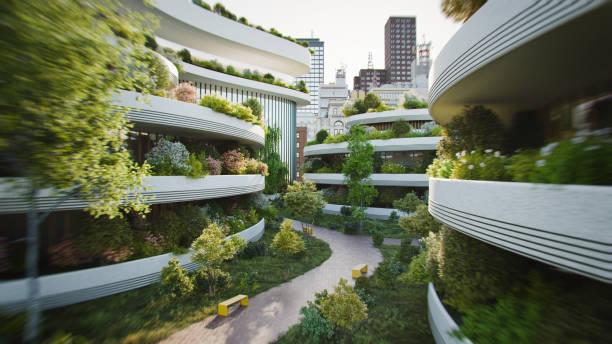
In 2026, home décor trends in the U.S. are moving away from strict design rules to Sustainability. Homeowners now embrace personalized and eclectic interiors, often combining secondhand furniture, vintage finds, and modern pieces. This approach reflects a broader shift toward sustainability and self-expression, allowing Americans to create spaces that feel comfortable, meaningful, and truly lived-in.
The Rise of Secondhand and Vintage Finds
Many homeowners now seek out thrifted and vintage items to add character and reduce environmental impact. Interior designers highlight how mixing older pieces with contemporary décor allows residents to express their personalities while reusing materials that might otherwise go to waste. From refurbished coffee tables to vintage lamps, these pieces offer unique touches that tell a story, making each home distinct.
Sustainability Drives Design Choices
Sustainability plays a key role in this trend. By choosing secondhand, recycled, or upcycled items, homeowners reduce demand for new production and minimize waste. Eco-conscious design extends beyond furniture — it influences flooring, textiles, and wall finishes, with many Americans favoring materials that are durable, non-toxic, and ethically sourced. This eco-friendly focus ensures that homes not only look beautiful but also reflect values that prioritize the planet.
Expressing Individuality Through Interiors
Beyond sustainability, homeowners embrace décor that reflects personal identity. Customizing layouts, color palettes, and decorative accents allows individuals to tell their story through their living spaces. Eclectic interiors balance aesthetics with practicality, blending sentimental items with functional design. Whether it’s mixing a mid-century chair with modern lighting or incorporating handcrafted art, every choice communicates personality and intention.
Comfort Meets Practicality
This design philosophy also emphasizes comfort and functionality. Homeowners prioritize cozy living areas, flexible layouts, and furniture that suits both daily life and entertaining. By combining style with practicality, Americans create homes that are not only visually appealing but also functional for work, leisure, and family life. This shift demonstrates that sustainability and individuality can coexist with modern home convenience.
Interior Design Professionals Adapt
Interior designers are responding by offering creative solutions that support eco-conscious, personalized homes. Many now incorporate sustainable sourcing, restoration projects, and DIY strategies into their services. Clients increasingly value guidance on blending thrifted finds with new materials, achieving a cohesive look while staying true to their environmental values. Designers also emphasize flexibility, encouraging homeowners to update and adapt spaces over time rather than sticking to rigid trends.
Conclusion: Homes Reflect Values and Personality
In conclusion, Americans in 2026 are redefining home décor through sustainability and self-expression. By combining thrifted, vintage, and modern elements, homeowners create eclectic spaces that reflect their personalities while reducing environmental impact. Comfort, practicality, and meaningful design choices define these interiors, showing that eco-conscious living and individuality can thrive together. As more people embrace these trends, American homes increasingly reflect the values, creativity, and lifestyle choices of their residents.