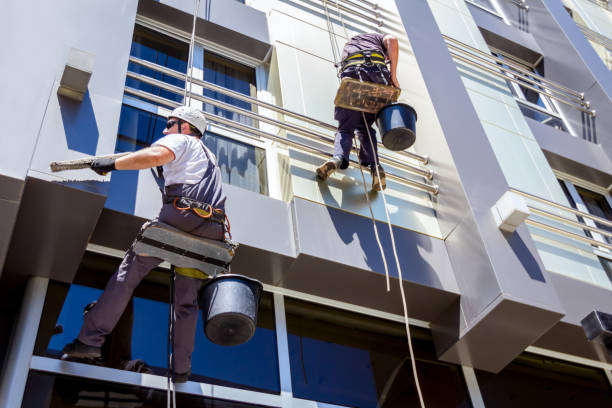
I didn’t really notice how much paint matters to a business until I walked into a café that looked tired before I even checked the menu. Same chairs, same coffee smell, but the walls were dull and chipped — and honestly, it felt like the place stopped caring. That’s kinda where commercial painting contractors come into the picture. Most people think painting is just about color, but for businesses it’s closer to reputation management. Weird comparison maybe, but paint works like good grooming. You trust someone more when they look put together, right? Buildings work the same way.
Businesses today are competing not just offline but also on Instagram feeds, Google reviews, and random TikTok walkthrough videos. People judge fast. Like… really fast. There’s this marketing stat floating around online that customers form a visual opinion of a business in under 7 seconds. I don’t know if it’s exactly 7, maybe 5, maybe 10, but the idea feels true. First impressions hit before logic even shows up.
Why appearance quietly shapes customer trust
When customers walk into an office, retail store, or restaurant, they rarely say, wow nice paint. But they absolutely notice when paint looks bad. Peeling corners, faded colors, uneven finishes — all of that sends subtle signals. It whispers things like outdated, neglected, or even maybe their service is also careless. Harsh, but humans are judgmental creatures.
I once visited a local electronics showroom that had amazing products but yellowing walls from years of sunlight exposure. The place felt older than it actually was. A few months later they repainted using brighter neutral tones, and suddenly it felt premium. Same staff, same inventory, but completely different vibe. That’s the strange psychology of visual branding.
Professional painters who specialize in business spaces understand this better than most owners do. They don’t just slap color on walls. They think about lighting reflection, foot traffic wear, durability, and even how colors appear in photos — which matters way more now because customers basically advertise your business for free through selfies and reels.
Brand colors are more serious than people think
A lot of companies underestimate how strict brand consistency should be. Big brands obsess over color shades. There’s a reason fast-food chains rarely change their reds and yellows. Colors trigger emotion faster than text does. Blue feels trustworthy, green feels calm, black feels premium — marketing folks talk about this all the time online, sometimes too dramatically honestly, but there’s truth in it.
Good painters working in commercial environments understand color matching down to tiny differences. One shade off can make signage look disconnected from interiors. Sounds small, but branding is basically made of small details stacked together.
I remember reading a discussion on a business subreddit where a retail owner said repainting their store increased walk-ins without changing ads or pricing. People in comments argued whether it was coincidence, but honestly it makes sense. Fresh spaces attract curiosity. Humans naturally move toward things that look maintained.
Maintenance saves money even if it feels expensive upfront
Here’s something business owners often learn late: repainting regularly actually costs less than waiting too long. Paint isn’t just decoration; it protects surfaces from moisture, dust, and wear. Especially in offices or warehouses where walls take abuse from equipment or constant movement.
Think of paint like a phone screen protector. Nobody buys it because it looks exciting, but when damage happens you’re glad it was there. Same logic applies to buildings. Protective coatings extend wall life, reduce repairs, and prevent bigger renovation bills later.
A contractor who knows commercial spaces also schedules work smartly. Night shifts, weekend jobs, phased painting — all designed so businesses don’t shut down completely. That flexibility matters because downtime equals lost revenue, and owners hate that more than renovation costs.
Employees notice the environment too
Something people don’t talk about enough is how workspace appearance affects employees. Freshly painted offices actually boost morale. Sounds fluffy, but there’s psychology behind it. Clean environments reduce mental fatigue. Even remote workers posting office glow-up photos online shows how strongly environment impacts motivation.
I worked briefly in an office that repainted during a rebrand. Nothing else changed, yet people genuinely seemed more energetic. Maybe placebo effect, maybe not. But when a workplace feels updated, employees subconsciously feel the company is growing instead of stagnating.
And when employees feel proud of their workplace, customers feel that energy too. It’s subtle but real.
Social media changed the role of physical spaces
Before social media, businesses mainly cared about in-person impressions. Now every customer carries a camera. A poorly maintained wall can literally end up in a negative review photo. I’ve seen Google reviews where people complained about cracked paint more than actual service issues. That’s wild but also very modern.
On the flip side, visually appealing interiors get free marketing. People take photos without being asked. That’s basically unpaid advertising. Fresh paint becomes part of the marketing strategy whether companies realize it or not.
Commercial painters today sometimes even discuss finish types based on lighting for photography. Matte for softness, satin for reflections, gloss for durability in high-touch areas. It’s almost design consulting at this point.
Consistency keeps brands memorable over time
Businesses evolve, but consistency keeps them recognizable. Regular repainting ensures locations look unified across branches. Imagine walking into two outlets of the same company and one feels new while the other looks abandoned. That breaks trust instantly.
Toward the end of the day, maintaining brand image isn’t about flashy marketing campaigns alone. It’s about everyday visual reliability. Customers want reassurance that a business cares enough to maintain its space. That’s why many companies quietly rely on commercial painting contractors to keep their identity looking sharp year after year, even when nobody openly talks about it.
And honestly, paint might be one of the most underrated branding tools out there. Not glamorous, not viral, but incredibly effective. Kind of like background music in a movie — you only notice it when it’s missing or done badly.