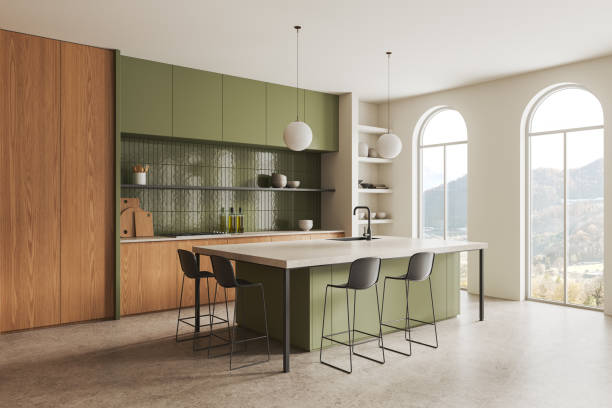
Starting a home interior renovation always sounds simple in the beginning. You think maybe new paint, maybe change furniture, done. But then ideas start stacking up. One wall leads to another, lighting suddenly looks outdated, and somehow you’re googling flooring options at 2am wondering how houses became this complicated. I’ve seen this happen way too many times, and honestly… it’s almost predictable.
People usually assume renovation equals spending big money, but from what I’ve noticed, most budgets don’t break because things are expensive. They break because decisions keep changing. It’s kind of like ordering food when you’re hungry — everything looks necessary at that moment. Later you realize half of it wasn’t needed.
The Planning Part Nobody Wants To Do (But Should)
Planning feels boring, that’s probably why people skip it. Choosing colors or sofas is fun, measuring spaces is not. But skipping planning is where costs quietly grow. I once helped a friend rearrange his living room after he already bought furniture. Bad timing. The sofa blocked the balcony light and suddenly the whole room felt smaller. Nothing wrong with the sofa itself — just wrong timing.
A strange thing about homes is that space matters more than stuff. When movement feels easy, rooms automatically look better. No expensive decor needed. Sometimes removing one unnecessary piece changes more than adding three new ones.
And yeah, social media makes this harder. Every scroll shows perfect interiors with captions like minimal luxury. Nobody shows the budget sheet behind it. Online trends push people toward quick upgrades instead of smart ones.
Expensive Doesn’t Always Mean Better (Seriously)
There’s this belief that premium materials solve everything. Not really. Installation and usage matter more. A mid-range finish done carefully can look amazing for years, while expensive materials installed poorly start annoying you fast.
I remember visiting a newly renovated home where the owner spent heavily on designer tiles, but lighting was ignored. Result? Beautiful floor… that nobody noticed because the room felt dull. That’s when I realized renovation is less about individual items and more about balance.
Also trends change faster than people expect. What looks modern today might feel outdated in five years. Neutral bases with flexible decor updates usually age better and save money long term. Not exciting advice maybe, but practical.
Lighting Changes Mood More Than Decor Ever Will
Lighting is weirdly powerful. One warm lamp can make a normal room feel comfortable instantly. Harsh white lights, on the other hand, make even expensive interiors feel like an office waiting area. I didn’t believe this until switching bulbs at home and suddenly evenings felt calmer. Same furniture, different vibe.
People online talk a lot about aesthetic upgrades, but many experienced homeowners say lighting upgrades gave them the biggest satisfaction. It’s not flashy, which is probably why it’s ignored.
Natural light helps too, obviously. Blocking windows with heavy furniture is a mistake I see often. Sunlight honestly does half the decorating work for free.
Budget Stress Is Normal (Everyone Goes Through It)
Somewhere in the middle of renovation, excitement drops. Dust everywhere, routines messed up, costs appearing randomly. You start questioning every decision. Totally normal. There’s actually a phase where almost everyone regrets starting — contractors even joke about it.
Unexpected fixes are common. Walls hide old wiring, uneven surfaces, sometimes things that make you wonder what previous owners were thinking. Keeping extra budget aside isn’t optional; it saves mental stress later.
Online forums are full of renovation stories, and the funny part is most regrets aren’t about spending money. They’re about spending in the wrong places. Fancy decor but poor storage. Stylish kitchen but bad workflow. Daily comfort matters more than visual impact.
Working With Professionals Without Feeling Lost
Talking to designers can feel intimidating at first. Lots of technical words, drawings, measurements. But asking simple questions helps more than pretending to understand everything. Good professionals actually prefer clarity because changes later cost time and money for everyone.
Explain habits, not just design ideas. Someone working from home needs different planning than someone barely home during the day. Homes should match real life, not just inspiration photos.
And honestly, perfection isn’t realistic. Small imperfections happen. Once you start living in the space, those tiny flaws stop mattering anyway.
By the end of everything, what people usually appreciate isn’t the fancy parts. It’s how daily life becomes easier. Better flow, better comfort, less clutter stress. That’s when a home interior renovation actually feels worth it — not because it looks perfect, but because the space finally works with you instead of against you. Sometimes that difference is subtle, but you notice it every single day without thinking about it.